About me
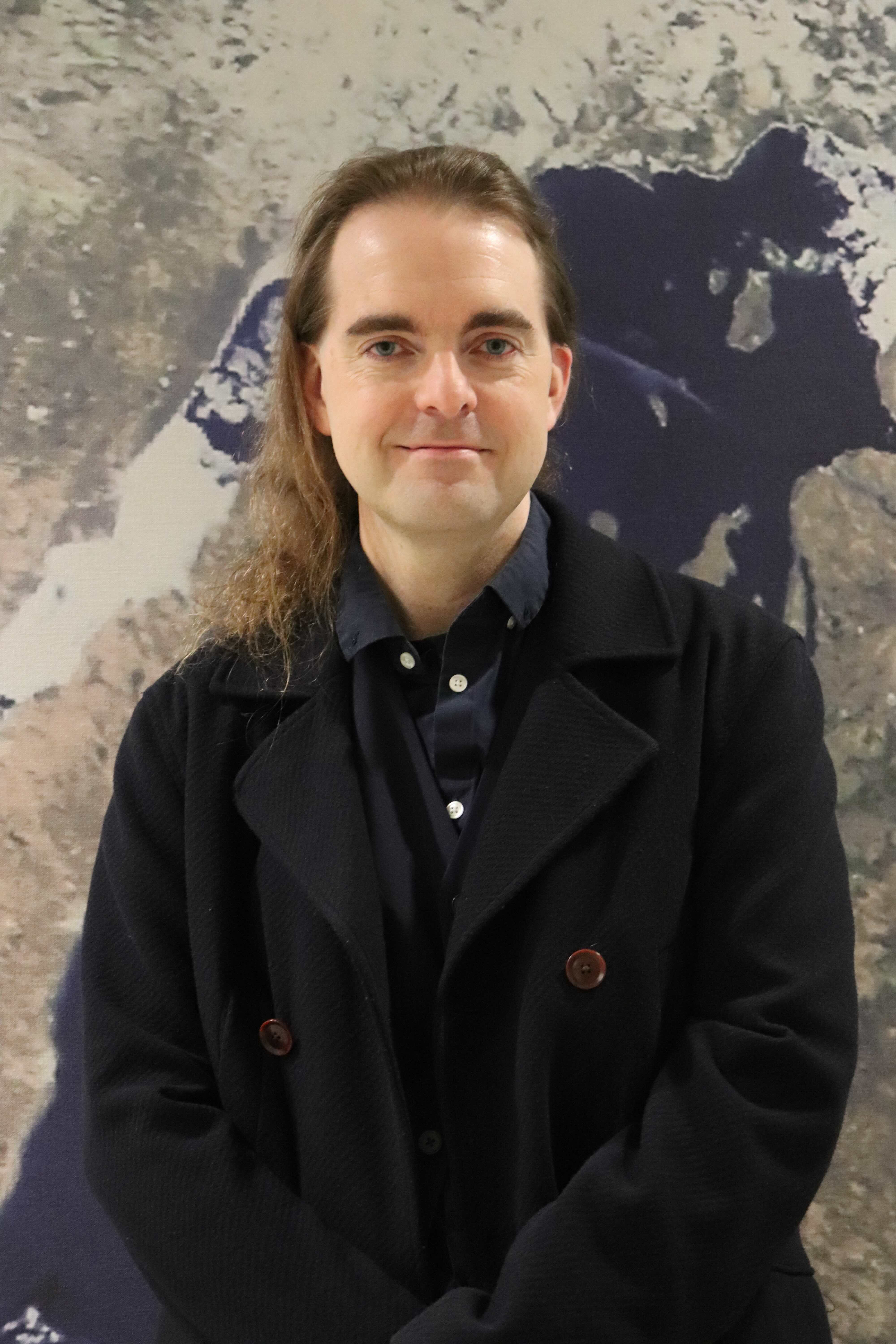
About Dr. Dani Jones
I am an Earth system scientist working at the intersection of environmental prediction, observing system design, and machine learning. I am an Associate Research Scientist at the Cooperative Institute for Great Lakes Research (CIGLR) at the University of Michigan and an Honorary Researcher with the British Antarctic Survey (BAS).
My work uses machine learning, statistical methods, and numerical models to better understand and predict environmental systems. Much of my current research focuses on the Great Lakes, where I work on problems including water level forecasting, evaporation, environmental monitoring, and observing system design.
A recurring theme in my research is uncertainty: what we know, what we do not know, and how we can make better use of limited observations. I am particularly interested in how environmental observations, numerical models, and machine learning methods can be combined to support both scientific understanding and practical decision-making.
Before moving to the Great Lakes, I worked extensively in the Southern Ocean and North Atlantic, studying large-scale ocean circulation, climate variability, and air-sea interaction. My background includes physical oceanography, applied mathematics, adjoint modeling, and unsupervised classification of environmental data.
I work closely with NOAA, the Great Lakes Observing System (GLOS), academic partners, and regional stakeholders to develop tools that support forecasting, environmental management, and scientific discovery. More recently, I have become interested in the role that machine learning can play in the design of environmental observing systems and scientific decision-making.
Research areas include:
- Machine learning for environmental prediction
- Observing system design and environmental monitoring
- Environmental uncertainty quantification
- Great Lakes water levels, evaporation, and forecasting
- Physical oceanography and Earth system science
- Numerical modeling and data assimilation
- Unsupervised learning and environmental classification